
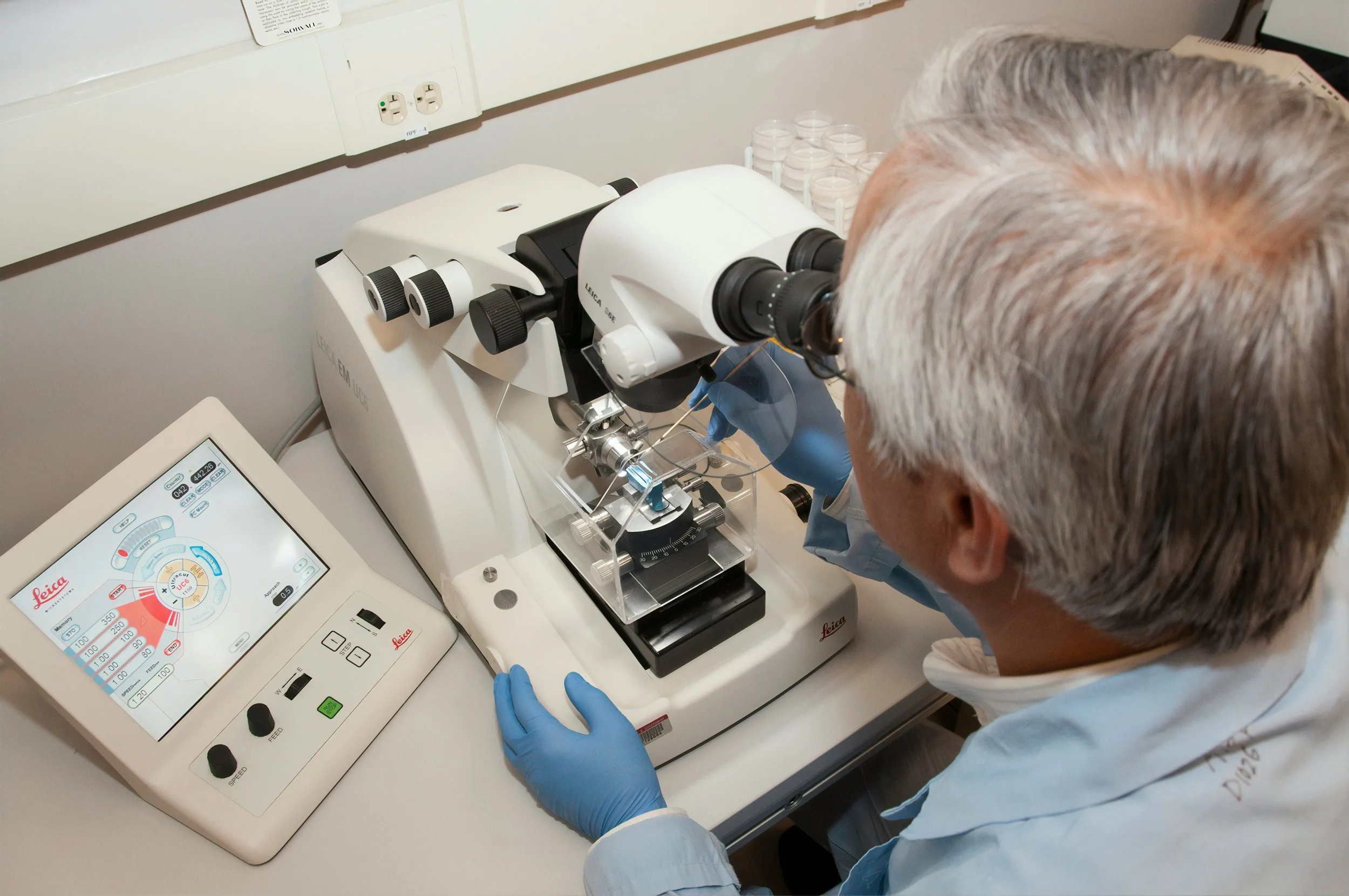
Medical & Scientific Advisory Board
Our Medical and Scientific Advisory Board is made up of leading clinicians, researchers, and experts who are deeply committed to advancing knowledge and improving outcomes for individuals living with microgliopathies.
These advisors help guide our work by sharing their medical and scientific expertise. Their combined experience helps shape our strategic priorities and supports our mission to accelerate progress toward better diagnosis, treatment, and care.
In addition to advising the organization, our board members play an important role in fostering collaboration across the medical and scientific community. Through their leadership, we work to increase awareness, promote research, and support meaningful advancements that bring hope to the patients and families we serve.
We are grateful for their dedication, insight, and ongoing commitment to Glia Connect.
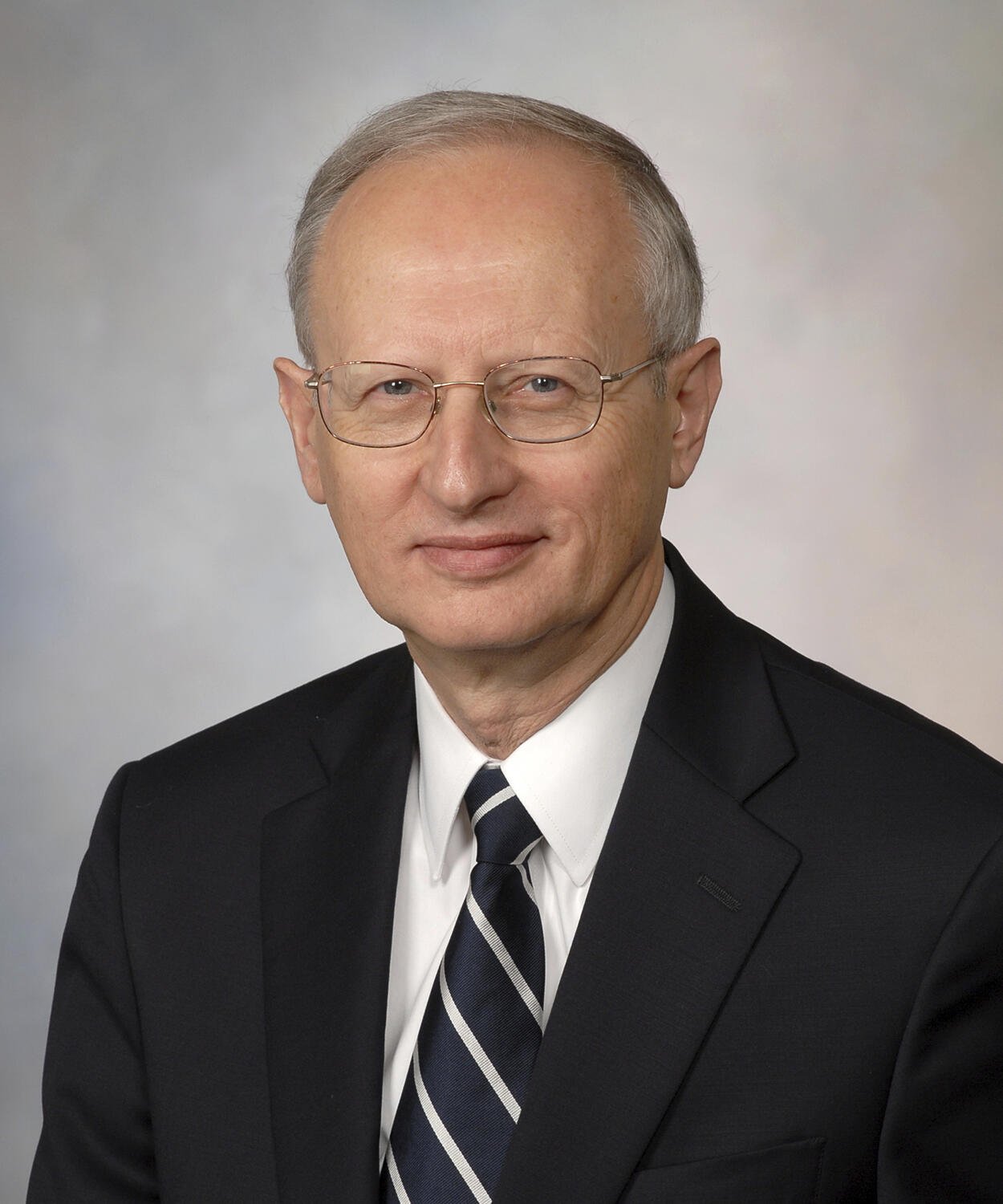
Zbigniew K. Wszolek, MD
Professor of Neurology, The Haworth Family Professor in Neurodegenerative Diseases
Zbigniew K. Wszolek, M.D., is a consultant in the Department of Neurology at Mayo Clinic in Florida. He joined the staff of Mayo Clinic in 1998 and holds the academic rank of professor of neurology, Mayo Clinic College of Medicine and Science. He is recognized with the distinction of the Haworth Family Professorship in Neurodegenerative Diseases.
Dr. Wszolek earned his M.D. at the Medical University of Silesia in Katowice, Poland. His postgraduate training includes a neurology residency and fellowships in clinical neurophysiology, movement disorders in Poland, the U.S. and Canada.
His scientific interests are in the field of clinical genetics of neurodegenerative conditions.
Dr. Wszolek has published extensively in peer-reviewed journals with over 750 publications (posted on PubMed.gov).
In recognition of his work, Dr. Wszolek has received many national and international awards and honors, including Swiss, Canadian, Indian, Polish, and Japanese awards.
Dr. Wszolek is a fellow of the American Academy of Neurology and the American Neurological Association, and he is a founding officer of the International Association of Parkinsonism and Related Disorders. He is a distinguished member of the Mayo Clinic Alumni Association.
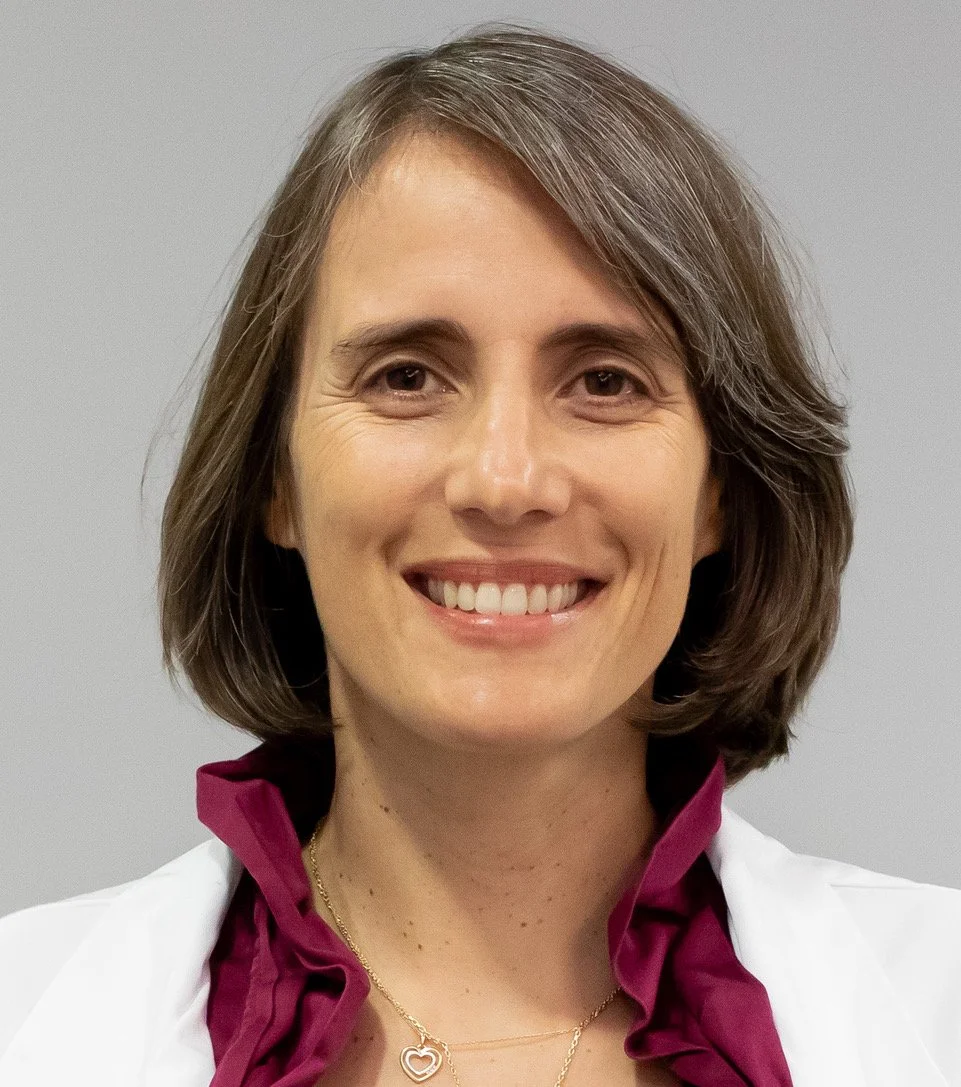
Fanny Mochel, MD, PhD
Professor of Genetics
Fanny Mochel is a professor of genetics at Sorbonne University in Paris, France. She received her MD in Genetics in 2005 at the University Paris Descartes, her PhD in Neuroscience in 2010 at Sorbonne University and is board certified in inherited metabolic disorders. Prof. Mochel leads a national reference center for neurometabolic diseases in adults as well as a national reference center for leukodystrophies in adults. She is also the co-team leader of the MIND team (“Metabolism, Immunity and NeuroDegeneration”) at the Paris Brain Institute of La Pitié-Salpêtrière University Hospital in Paris. From 2018 to 2024, she served as chair of the Adult Metabolic Physicians group of the Society for the Study of Inborn Errors of Metabolism (SSIEM) and she is co-chair of the French society for inborn of errors of metabolism in adults since 2014. Her research has focused on the characterization and treatment of brain energy deficiencies in neurometabolic and neurodegenerative diseases. Her major areas of expertise are the identification of neurometabolic biomarkers in vitro (metabolomics) and in vivo (metabolic imaging) as well as therapeutic approaches targeting the Krebs cycle. Recently, she has developed a new area of research, together with Angela Garcia-Cazorla, on the connections between physics and metabolism in brain functions and diseases.
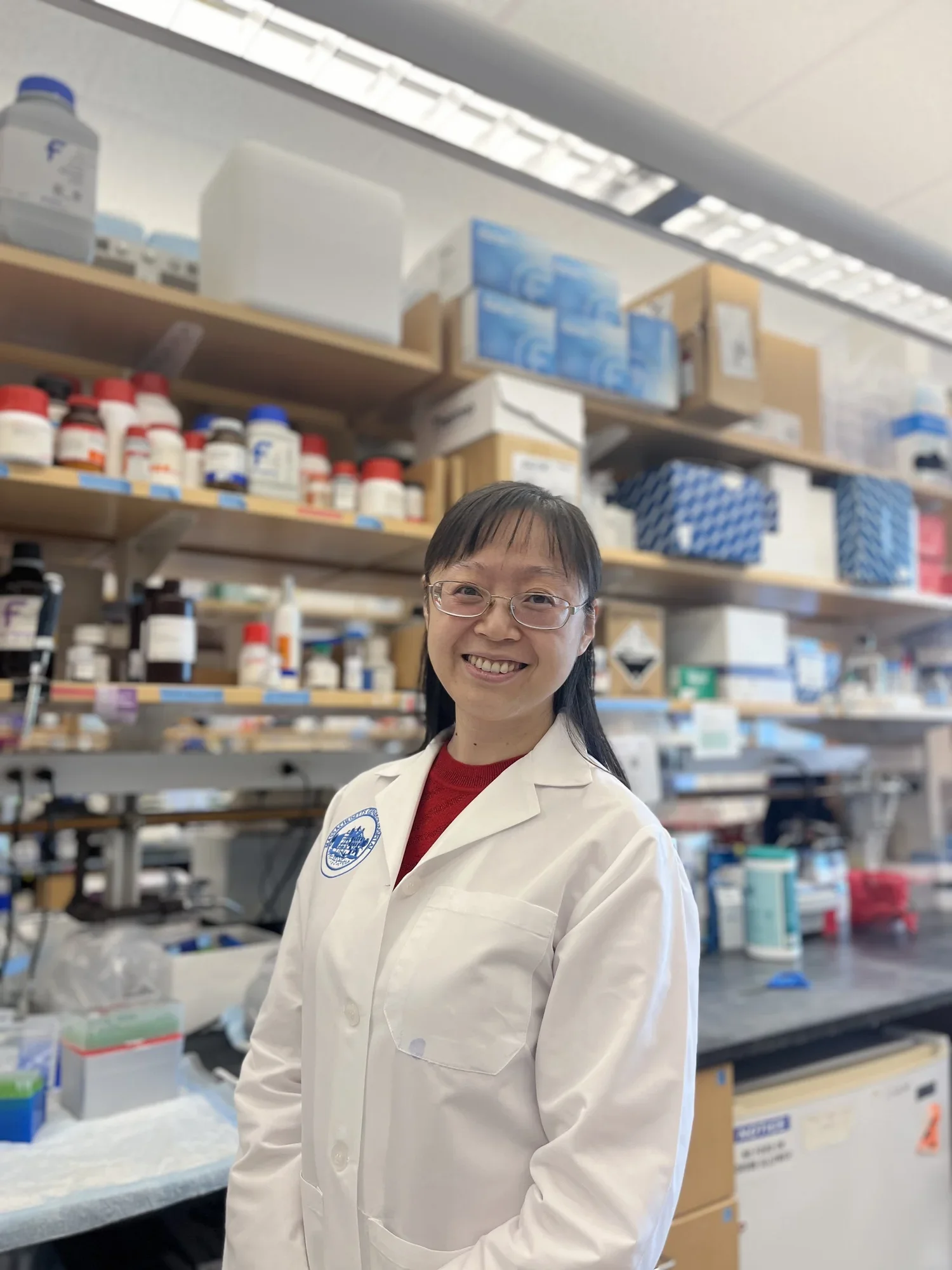
Yedda Li, MD, PhD
Neurology Resident/Postdoctoral Researcher
Yedda Li received her MD and PhD degrees from Washington University in St. Louis, where she studied the pathophysiology and treatment for globoid cell leukodystrophy in the lab of Dr. Mark Sands. She is now a resident physician in the Mass General Brigham adult neurology residency program. She hopes to dedicate her life to helping adult patients with leukodystrophies, studying leukodystrophy disease mechanisms, and devising effective treatment strategies for these disorders.
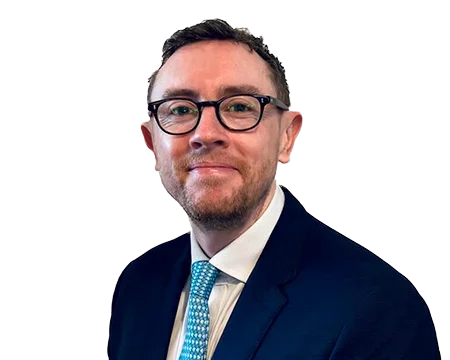
David Lynch, MD, PhD
Consultant Neurologist
Dr David Lynch is a highly skilled and experienced consultant neurologist based at UCLH Private Healthcare, London. He specialises in general neurology with particular expertise in headache, dizziness, tremor, and functional neurological disorders. Additionally, Dr Lynch has significant experience in managing cerebral small vessel disease and leukodystrophy, a rare genetic condition affecting the white matter of the brain.
Dr Lynch's work extends beyond clinical practice. He is the clinical lead for the adult division of the NHS England Highly Specialist Service for Inherited White Matter Disorders, a national service he helped develop to provide expert care for individuals affected by rare inherited neurological conditions. His research interests are focused on neurogenetics, particularly leukodystrophy.
Alongside his clinical and research roles, Dr Lynch holds an academic position as an Honorary Associate Professor in UCL’s Department of Neuroinflammation. He completed his PhD at University College London in 2017 and trained at the Royal College of Surgeons in Ireland. Dr Lynch is deeply committed to education, research, and clinical excellence, contributing to the advancement of his field through teaching and leadership.
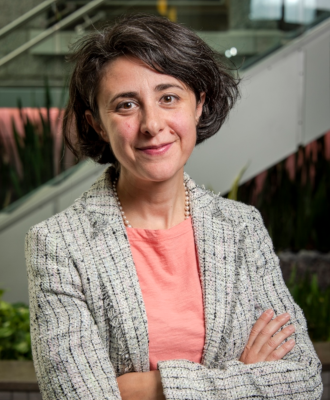
Roberta La Piana, MD, PhD
Associate Professor of Neurology
Roberta is Associate Professor in the Department of Neurology & Neurosurgery and Associate Member of the Department of Diagnostic Radiology at McGill University in Montreal, Quebec, Canada.
She earned her MD at University of Pavia, Italy, where she then specialized in Pediatric Neurology and Psychiatry. She completed her PhD in Neuroscience at McGill University. During her training, she developed an interdisciplinary profile which combines the expertise in neuroradiology and genetics with her clinical background.
In 2013 she launched the White Matter Rounds, interdisciplinary monthly meetings that have evolved into an international network including researchers and clinicians from more than 15 centers around the world.
In her free time, you can find her in the kitchen, baking and making homemade pasta, or in a pottery studio, trying to make bowls and plates (and often failing at it).